
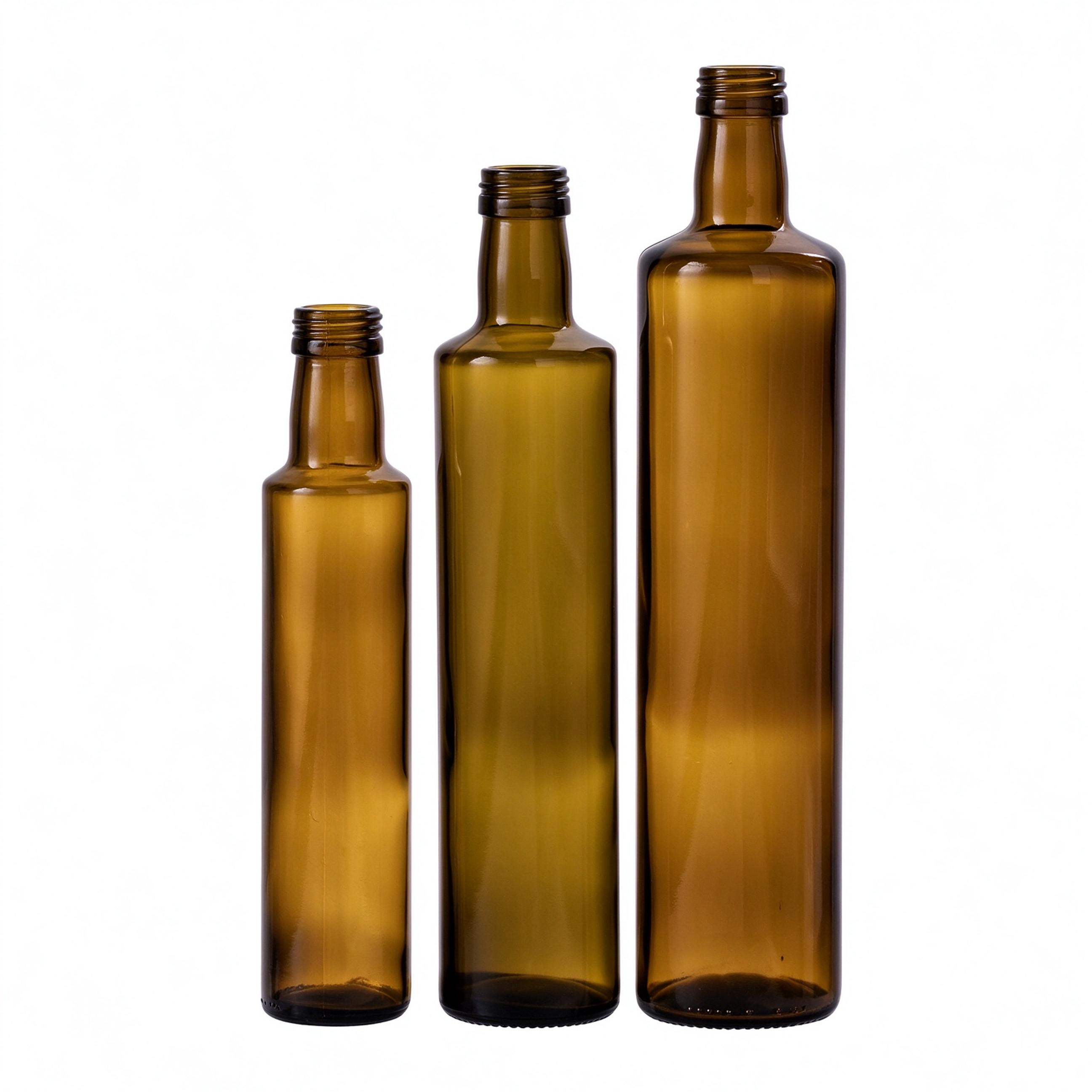
Amber glass blocks 99% of UV light to protect sensitive formulas, while clear glass showcases color and texture. Compare protection, cost and branding here.
Light-sensitive cosmetic formulas break down when exposed to UV radiation — active ingredients fade, colors shift and preservatives work harder. The choice between amber and clear glass therefore depends on your product's stability requirements, your brand aesthetic and your price tier. This article compares the two materials across protection, presentation, cost and sustainability, so you can make the right call per SKU instead of guessing.
Why Light Damages Cosmetic Formulas
UV and high-energy visible light trigger photochemical reactions in many common actives: vitamin C oxidizes, retinoids degrade, essential oils lose their aromatic profile, and dyes fade. A product that is perfectly stable in the dark can visibly deteriorate within weeks on a brightly lit retail shelf. This is why packaging is a formulation decision, not just a design one.
What Amber Glass Actually Does
Amber glass blocks roughly 99% of UV light in the 300–450nm range — the wavelengths that do most of the damage. This makes it essential for essential oils, vitamin C serums, retinol products and herbal extracts. It also gives instant shelf recognition: the apothecary look signals "natural, scientific, serious" to many consumers. For a deeper technical explanation, see our article on why amber glass is the best choice for essential oils.
When Clear Glass Wins
Clear glass works well for stable formulations — micellar water, toners, cleansers, oils already packaged with UV-protective outer cartons — and for products where color is part of the appeal: layered serums, bath salts, tinted oils. It also offers the widest decoration flexibility: frosted, sprayed or electroplated clear glass reads as premium in ways amber cannot. Browse decoration examples in our deep processing guide.
Quick Comparison
- UV protection: amber ≈99% block; clear ≈0% (needs secondary packaging)
- Shelf presentation: clear shows the product; amber hides it but signals natural/scientific
- Decoration range: clear supports full color spraying and plating; amber is usually printed or labeled
- Cost: essentially equal — both are standard glass compositions
- Recyclability: both are fully recyclable glass
Practical Decision Rules
- Formula contains light-sensitive actives? Amber — no exceptions.
- Product color or texture is a selling point? Clear glass with a secondary carton.
- Brand is apothecary/organic/natural? Amber reinforces the story.
- Brand is clinical/luxury/scientific? Frosted or plated clear glass fits better.
Frequently Asked Questions
Can I use clear glass if the product comes in a cardboard box?
Yes. If the secondary packaging blocks light completely, clear glass becomes viable even for moderately sensitive formulas — but once the box is opened, protection ends.
Is amber glass more expensive than clear?
No meaningful difference at production scale. Both use the same base furnace processes; amber simply adds iron and sulfur colorants.
Does amber glass change the perceived color of my product?
Consumers cannot see the contents, which for unstable formulas is a feature — but if visual display matters, consider clear glass with UV-protective coating.
Choosing between amber and clear for a new SKU? Contact UniPack Glass for samples of both, or learn how to vet suppliers in our glass bottle manufacturer selection guide.
Need Glass Bottles for Your Project?
Contact us for free quotes and professional advice.
Get a Free Quote →