
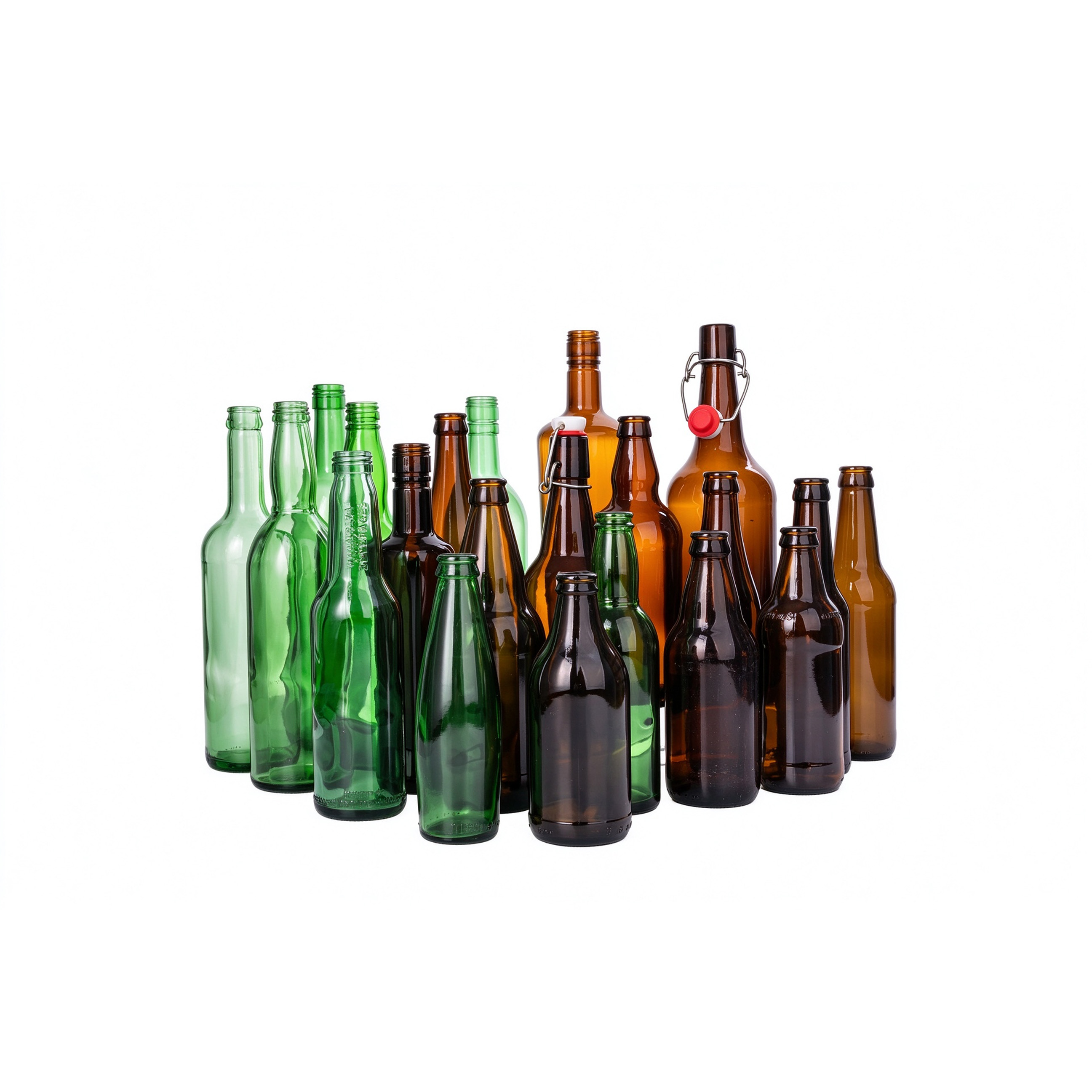
Amber glass absorbs damaging light below 450nm, shielding essential oils from oxidation. Learn the science, bottle formats and storage practices that work.
Essential oils are concentrated, volatile and photosensitive — three reasons packaging is not an afterthought but part of the product's chemistry. UV and visible light trigger oxidation that breaks down the active compounds: terpenes shift aroma, therapeutic properties degrade, and shelf life shrinks from years to months. Amber glass remains the industry's default defense, and the science explains why.
How Amber Glass Protects What's Inside
Amber glass absorbs light at wavelengths below 450nm — precisely the UV and blue-violet band that drives photochemical oxidation in essential oil constituents. The coloration comes from iron and sulfur compounds in the glass matrix itself, not a coating, so protection never wears off, scratches away or fades. Crucially, amber still allows enough visible light through for the consumer to see the product level, combining protection with practicality.
Why Not Just Any Dark Glass?
Blue and green glass look protective but transmit far more damaging light than amber. Testing of aromatherapy-grade oils consistently shows amber outperforming other colored glasses at preserving chemical profiles. Blue cobalt glass, popular for its appearance, offers mostly aesthetic value — a real risk if a brand relies on it for light-sensitive blends.
The Right Bottle Formats
- 5–10ml: sample sizes and roller bottles with stainless or glass rollers
- 15–30ml: the standard dropper bottle range for retail serums and oil blends
- 50–100ml: massage oils and professional-use formats
Pair amber bodies with black phenolic caps (best seal), or dropper assemblies with compatible neck finishes — see the full dimensional breakdown in our glass bottle sizes guide. For brands weighing clear alternatives, our comparison of amber vs clear glass for cosmetics sets out when clear is acceptable.
Storage Practices That Extend Shelf Life
Glass handles the light problem, but good practice covers the rest:
- Store filled bottles below 25°C, away from radiators and direct sun
- Minimize headspace — oxygen is the other oxidizer; smaller bottles for opened-in-use products
- Tighten caps fully after each use; phenolic cone liners seal best
- Avoid plastic droppers for long-term storage of citrus oils, which can attack some polymers
What Buyers Should Specify
When sourcing amber bottles, ask suppliers for: glass composition conformity (real amber, not surface-tinted), neck finish tolerance reports, dropper compatibility samples, and AQL inspection standards for chips and cracks. Our checklist on choosing a glass bottle manufacturer in China covers all of these points in detail, and our deep processing guide shows decoration options that work on amber glass.
Frequently Asked Questions
Does amber glass block all UV light?
It blocks approximately 99% of light below 450nm, which covers the damaging UV and blue-violet range relevant to essential oils.
Can essential oils be stored in clear glass?
Only with completely opaque secondary packaging and short shelf cycles — otherwise amber is strongly recommended.
What size amber bottle is best for retail?
15–30ml dropper bottles dominate retail; 5–10ml suits samples and rollers, and 50–100ml serves professional lines.
Sourcing amber bottles for an oil line? Contact UniPack Glass for amber dropper bottle samples and a free quote.
Need Glass Bottles for Your Project?
Contact us for free quotes and professional advice.
Get a Free Quote →